
Discover how IET identified hidden valve damage using engineering-driven anomaly detection, helping reduce maintenance costs, improve reliability, and prevent unplanned failures in critical industrial systems.
While implementing feature extraction techniques on the client’s instrument data, IET identified a previously undetected trigger signal energy signature in the Waterflood Turbine Gas Producer bearings. This anomaly appeared shortly after the turbine was restarted following a shutdown caused by an incoming hurricane.
The discovery raised concerns about potential damage to critical components, prompting further investigation to determine the source and implications of the signal.

IET’s analysis revealed that the anomalous, repetitive signal originated from the anti-cavitation valve. This conclusion was based on the observed features, physical principles, and a detailed comparison of the signal’s shape and intensity under varying process conditions.
Key findings included:
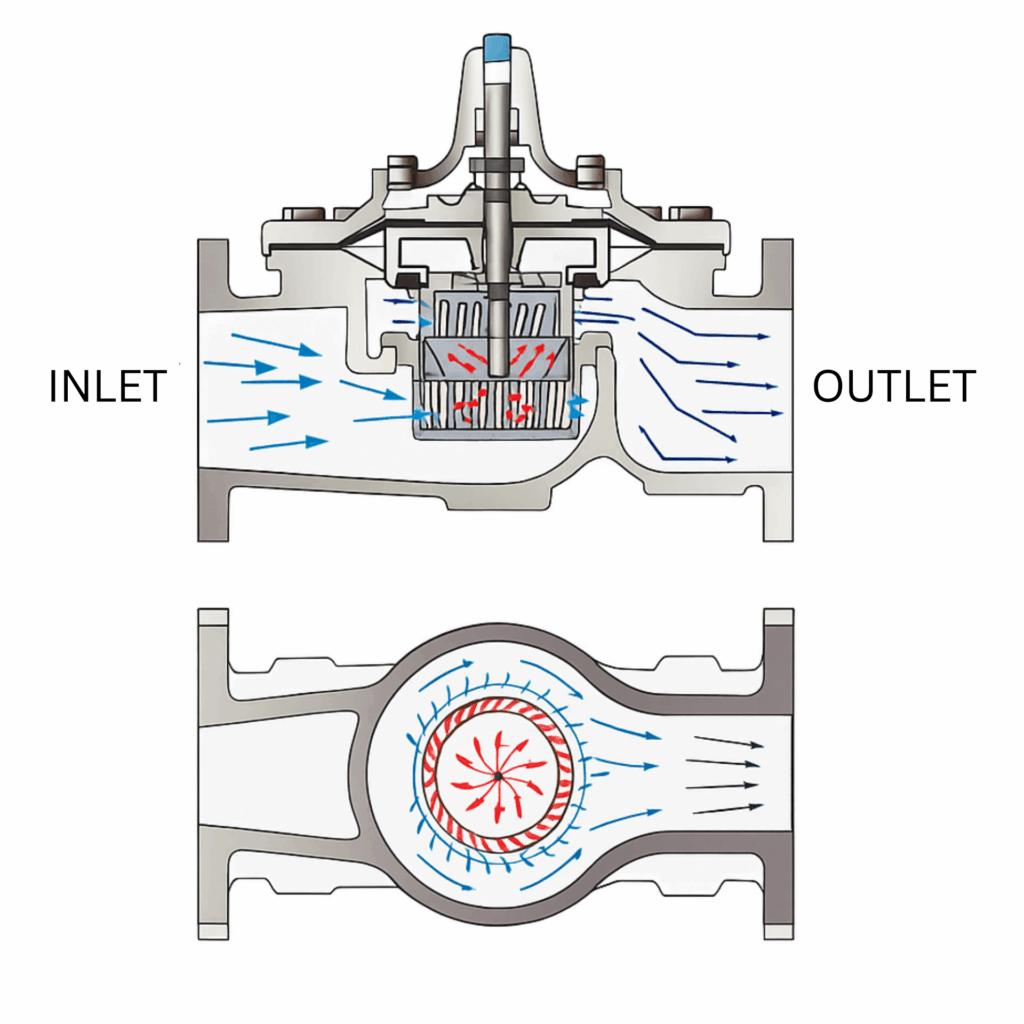
To pinpoint the source of the trigger signal energy signature, IET analyzed numerous historical process values. The analysis revealed that normalized intensity values were highest near the source of the underlying pattern, confirming the anti-cavitation valve as the origin.
By examining the shape, intensity, and duration of the extracted patterns, IET provided actionable insights to address the issue and mitigate further damage.

It remained unknown if the damage that had already occurred could have been halted at the point of discovery, but the client and IET recommended the platform operators take any available action via process adjustments to eradicate this trigger signal energy signature, strongly suggesting the valve discharge pressures once again be raised over 220 PSI to minimize low-flow wear on the thrust bearings.
These findings were readily accepted and corroborated by observations of the platform team. Probable action reported an assignment of $2.5 million over the life of the field as a result of the information and advice provided by IET.
Effective valve diagnostics are critical to maintaining safe, efficient, and reliable industrial operations. Hidden valve degradation can develop gradually, leading to reduced performance, increased maintenance costs, unplanned downtime, and potential equipment damage if left undetected. Traditional monitoring methods may not always identify these early warning signs, especially when abnormal behavior is subtle or masked by normal process variations.
In this valve diagnostics case study, IET applied its technology to analyze historical process data and uncover previously undetected indicators of valve degradation. By combining advanced feature extraction, signal processing, and engineering principles, IET identified abnormal valve behavior and correlated it with underlying mechanical conditions. These insights enabled operators to pinpoint the source of the issue and make informed maintenance decisions before a critical failure occurred.
This case study demonstrates how IET’s valve diagnostics approach transforms historical operational data into actionable insights, helping industrial organizations improve equipment reliability, reduce unplanned downtime, optimize maintenance strategies, and extend the operational life of critical assets.
Learn how IET’s physics-based anomaly detection helps reduce unplanned downtime, extend asset life, and improve industrial reliability.
Explore our other projects: