
IET’s technology identifies leak signatures with precision, reducing false alerts and preventing costly pipeline damage.
Acoustic leak detection plays a vital role in identifying pipeline leaks before they develop into costly failures. Leaks that may seem small at first and are often taken for granted can lead to irreversible equipment damage, production losses, and serious safety risks. They typically begin quietly and may go unnoticed until significant damage has already occurred. Small problems deserve attention before they become major operational issues. Implementing real-time acoustic leak detection and continuous monitoring can help identify leaks early, enabling timely intervention and preventing serious equipment failures.
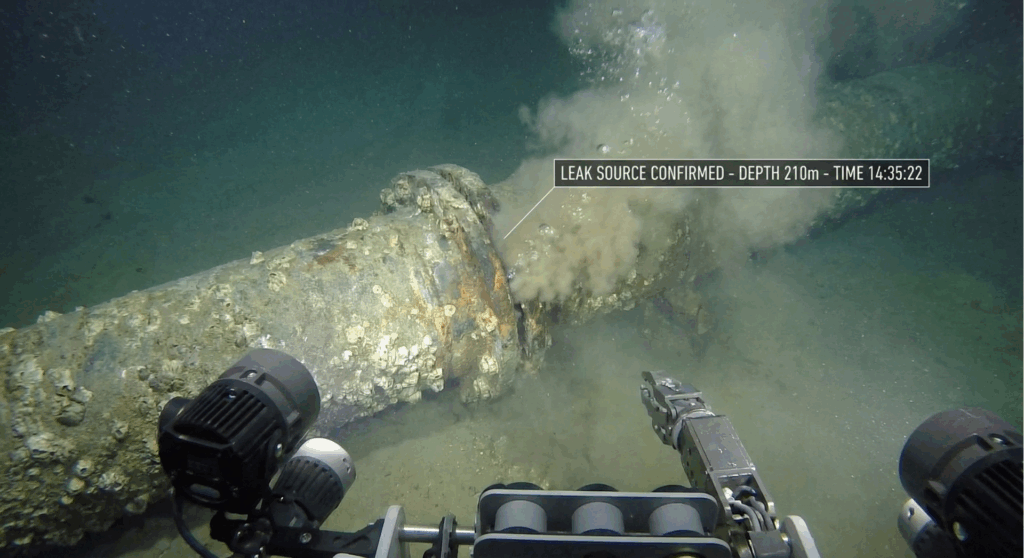
Following a large pipeline burst, a client approached IET to investigate more effective methods for acoustic leak detection capable of identifying both major and minor leaks. The existing statistical monitoring system compared expected pressures throughout the production flow system; however, the subsea pipeline operated under complex multiphase flow conditions with intermittent liquid slugs and gas bubbles (slugging). These normal process variations made leak detection difficult and generated a high number of false alerts.
To improve detection accuracy, IET conducted an analytical investigation and proposed applying its anomaly detection technology as an additional tool to complement the existing statistical approach. By identifying distinctive acoustic leak signatures and differentiating them from normal operational variations, the solution reduced false positives and improved the reliability of pipeline leak detection.

Using principles similar to how water utility companies locate leaks in buried pipelines, IET’s Anomaly Detection Web App enabled pressure transmitters to detect moderate and high-amplitude repeating sound waves caused by leaks.
Key insights included:
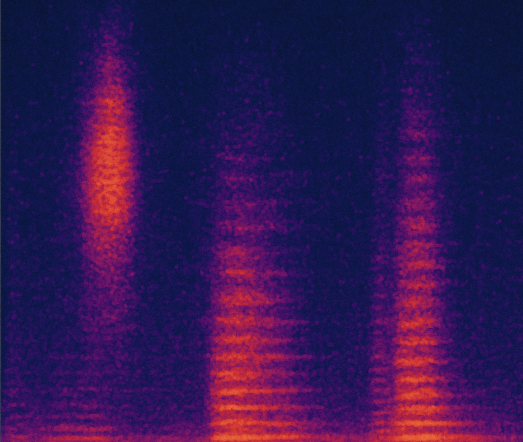
IET’s analysis revealed that leak sounds are mechanical waves that cause resonance in both the fluid and the pipe. This resonance amplifies the sound, making it detectable by sensors.
Key findings included:
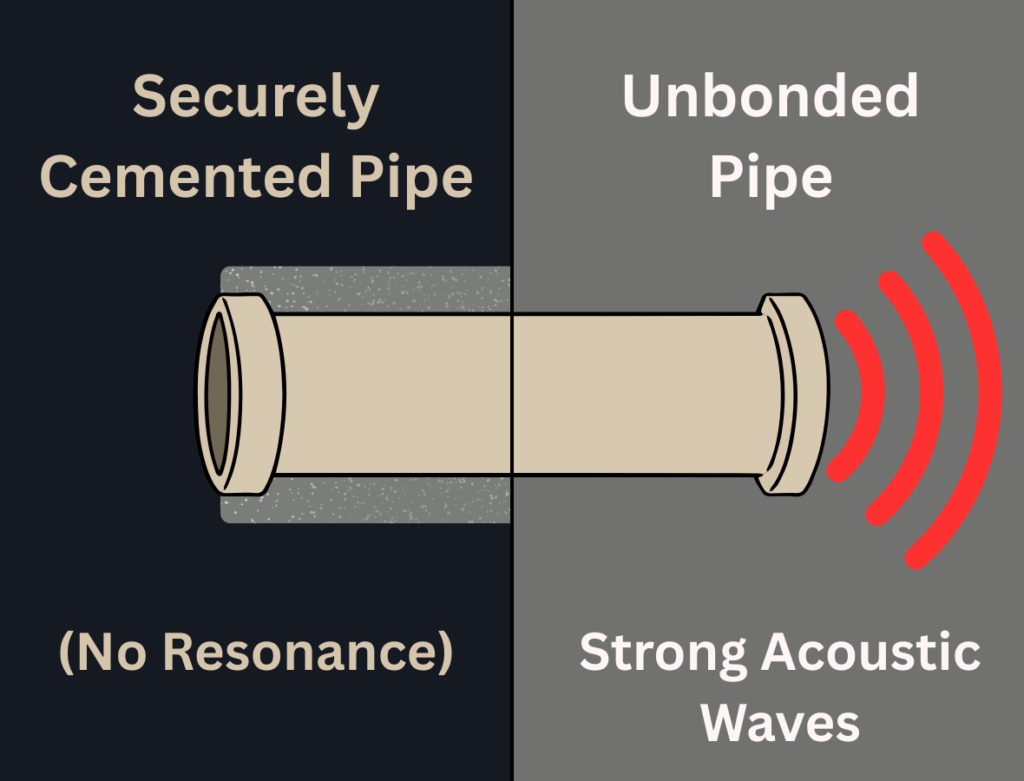
IET’s analysis revealed that leak sounds are mechanical waves that cause resonance in both the fluid and the pipe. This resonance amplifies the sound, making it detectable by sensors.
Key findings included:
Discover how IET’s physics-based anomaly detection can protect your assets and reduce downtime.
Explore our other projects: