Maintenance Strategy Comparison

How Maintenance Affects Industrial Systems

When machines run well, upkeep makes sure they keep going without surprise stops. So things stay safe and work right, fixing stuff before it breaks matters most. Running smoothly over time? That comes from checking parts regularly instead of waiting for failure. Safety stays high when tools get attention even if nothing seems wrong yet. Doing small tasks early avoids big messes later on down the line. Performance holds steady only if inspections happen whether problems show up or not. Machines meant to do jobs must be ready – clean, tuned, checked. Preventing trouble beats rushing repairs once everything shuts down. Keeping gear working means watching how pieces wear while they still turn. Staying ahead of damage helps factories avoid unplanned pauses, which supports any maintenance strategy comparison.

From time to time, machines need attention – checking them closely helps catch small issues early. Fixing parts before they fail keeps things running smoothly instead of waiting for breakdowns. Worn pieces get swapped out so performance stays steady over weeks or months. Oil or grease goes where metal touches metal, reducing friction quietly behind the scenes. Instruments often require fine-tuning to match exact standards after repeated use. Tiny shifts in function emerge without notice, yet regular tweaks hold them back. Stress builds up slowly through constant motion, heat, or pressure across moving systems. Rust creeps in when moisture meets unprotected surfaces, especially outdoors. Small corrections today prevent larger problems tomorrow, even if nothing seems wrong now, reinforcing the value of a maintenance strategy comparison.

Keeps machines running longer when care is steady. Fewer surprises happen if checks are regular. Equipment stands ready more often under smart routines. Safety rules get met because upkeep includes inspections. High danger fields like planes or power plants depend on these steps. Rules exist for a reason, especially where risk runs high, making a maintenance strategy comparison useful.

A single approach rarely fits every piece of equipment, since machines face unique stresses and failure risks. So choosing a method means weighing how well it supports uptime without draining resources. Some systems need constant checks, others run fine with minimal oversight. The right fit depends on matching upkeep efforts to real-world demands. What works for one machine might waste time on another, highlighting the need for a maintenance strategy comparison.

Fixing Equipment After It Breaks
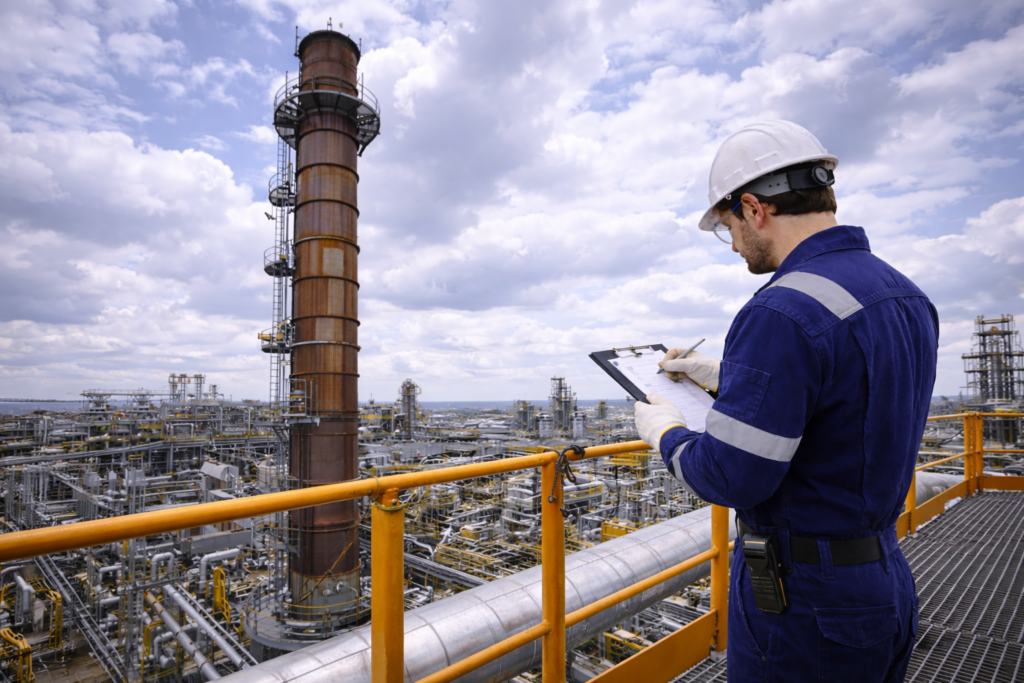
maintenance strategy comparisonFaulty gear gets fixed or swapped out once it breaks – that’s corrective maintenance. Back then, factories did this sort of repair most often. When machines failed, teams stepped in. Early industry relied on it heavily. Monitoring tools weren’t around yet. So waiting until something stopped working made sense at the time, representing one basic type of maintenance strategy.

When machines break down, that is when fixes happen. Workers step in afterward, swapping out broken parts or mending what failed. It skips regular checkups – saving effort upfront. Yet if a machine stops working at the wrong moment, people might get hurt or work can grind to a halt.

Sometimes it makes sense to fix things only when they break, especially if preventing breakdowns would cost more than just dealing with them later. Take cheap parts that snap in quickly – waiting for failure can actually save money over time. A light bulb might fail unexpectedly, yet replacing it right away beats scheduling checks ahead of time. When downtime isn’t a big deal, letting something run until it stops works fine. Fixing stuff before it fails feels safe, but not always smart if the part barely matters.

When fixes happen only after breakdowns, time lost adds up fast. Repair bills climb just as quickly. Sudden stoppages mess with daily flow. That is why some teams now act before problems show. Waiting turns into watching instead, reinforcing the need for a maintenance strategy comparison.

Maintenance Strategy Types

Most ways to handle upkeep split into types based on what sparks the work. Though names differ by field, common systems usually include a few core kinds, forming the basis of a maintenance strategy plan.

Fixing things after they break is one approach. Before failure happens, some prefer routine checks instead. Machines get attention based on their actual condition in another method. A fourth way builds upkeep around system importance and risk patterns. Every choice shows a unique take on handling wear and tear, which is why a maintenance strategy comparison is helpful.

When something breaks, fixing it then is called corrective maintenance. Instead of waiting, some prefer routine checks – done every few months or after set hours of use. Sensors help spot wear before failure, guiding timing through actual equipment state. Big systems often mix methods, weighing risks and importance to decide what upkeep matters most.

Maintenance approaches are commonly grouped according to how maintenance activities are triggered, including reactive, preventive, and predictive models. A detailed classification of preventive and corrective maintenance strategies explains how these approaches evolved within modern reliability engineering frameworks.

Knowing how these methods differ helps figure out which one fits best in a particular factory setting, making a maintenance strategy comparison necessary.

Preventive Maintenance

Most factories today stick with preventive maintenance because it works. When machines run a certain number of hours – or when dates roll around – workers check them. Timing drives the work, not breakdowns. Scheduled fixes aim to stop failures before they happen. Clocks and counters guide the routine instead of emergencies, making it a key reference point in any maintenance strategy comparison.

Fixing things early means checking them often, adding oil where needed, swapping out parts ahead of time, also making sure tools stay on target. Spotting small changes helps stop big breakdowns later because worn pieces get attention before trouble grows.

Industrial maintenance practices have gradually shifted from reactive repairs toward more proactive approaches. Research describing the evolution from corrective to predictive maintenance approaches highlights how digital monitoring technologies have transformed modern reliability strategies.

Most people find preventive maintenance straightforward. With set routines, upkeep becomes predictable from one location to another. When tasks follow a steady rhythm, machines get care when needed. Fewer surprises happen during daily operations because checks occur on time. Equipment tends to stay online longer under routine attention, which strengthens its position in a maintenance strategy comparison.

Even so, scheduled upkeep isn’t perfect. Since jobs follow a set timetable instead of how the machine is actually doing, work might happen before it’s really needed. That means people could be paid for effort that wasn’t required, while parts get swapped out too soon, which is often discussed in a maintenance strategy comparison.

Predictive Maintenance
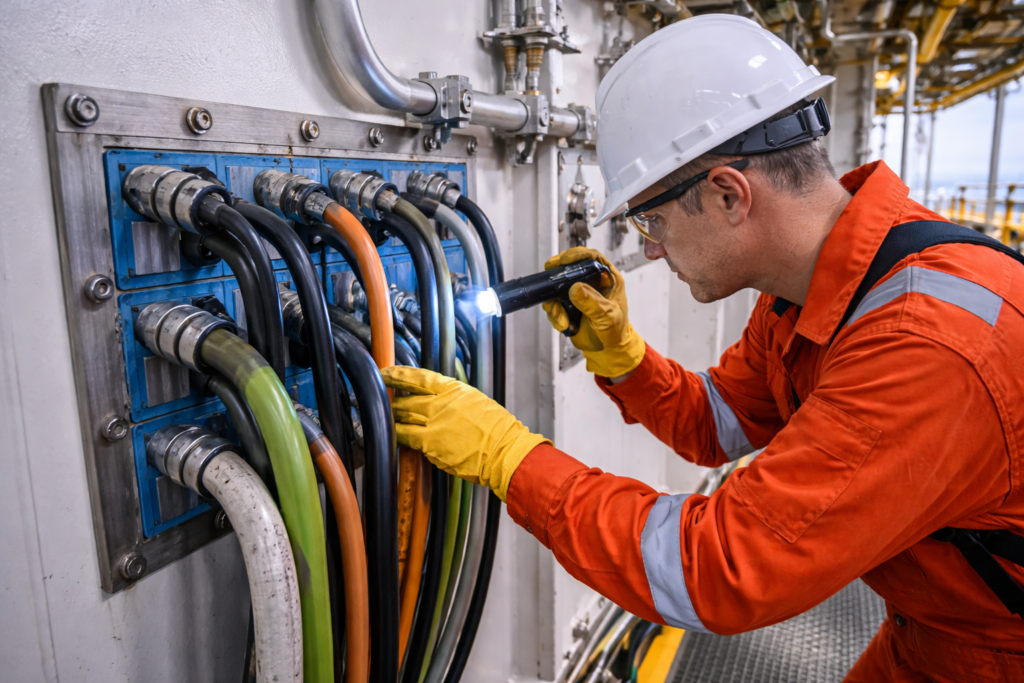
Inspecting cable seals on offshore platform When machines show signs of wear, sensors notice first. Maintenance happens only once problems start showing up. Rather than following a calendar, teams watch real-time data closely. Equipment gets repaired just before breaking, not sooner. Timing comes from how hard parts have worked. Some systems alert workers days ahead. Tools like vibration checks help spot hidden issues early, making predictive maintenance a strong candidate in a maintenance strategy comparison.

Most times, it uses sensors along with diagnostics to watch things like heat, movement, sound, and force. When those readings shift, something inside the machine might be starting to fail.

Finding small changes in how machines behave helps forecast problems before they grow. Because of that, fixes happen just when needed – cutting extra work and avoiding sudden breakdowns.

When machines matter a lot, guessing breakdowns before they happen makes sense. New tools from the world of connected devices now help catch problems earlier. Smart software digs through constant streams of information from equipment sensors. This helps teams spot warning signs that once went unseen. Better forecasts come from seeing patterns hidden in masses of raw numbers, which is why predictive maintenance is often cited in a maintenance strategy comparison.

Reliability-Centered Maintenance

What keeps machines running well? A method called reliability-centered maintenance helps figure that out. Instead of using one rule for everything, it looks closely at what each piece does. When things break, how badly does it matter? That shapes the plan. Each solution fits the specific job and weak points. Risk guides decisions, not habits. The goal is smarter upkeep through clear thinking, which becomes clearer in a maintenance strategy comparison.

Starting off, RCM looks at how machines might break. One way it works is by checking what happens when they do fail. Instead of guessing, it weighs each outcome carefully. From there, upkeep choices come into play – guided by how well they reduce danger. What matters most is using time and effort wisely. The plan fits the risk, nothing more.

Take a pump vital to production. It might need sensors tracking vibration plus temperature trends. A support bracket on that system could just get fixed when broken. Some gear runs fine until failure shows up clearly. Others demand scheduled part swaps before issues start. How tightly you watch equipment ties directly to how badly its failure impacts output. Maintenance effort shifts based on what happens if something stops working. Resources flow where downtime costs most. Priorities shape methods, not habits, reinforcing insights from a maintenance strategy comparison.

Folks in fields like air travel, power from atoms, or making chemicals often stick with reliability-centered upkeep – it just works too well to ignore. Equipment that mustn’t fail leans on this method simply because guessing isn’t allowed there.

Comparing Different Ways to Keep Things Running

Starting with how well it keeps things running, every approach to upkeep shows different strengths. Not everything works the same way when money matters more than speed. Some methods fit better where systems are already tangled. Depending on the setting, trade-offs appear in surprising places. One size never fits all once real machines enter the picture, which is why a maintenance strategy comparison is essential.

When things break, fixing them needs little setup yet often means surprise downtime. Though it keeps operations on a schedule, sometimes work happens when none is needed.

Starting off, predictive maintenance might help time repairs better while cutting down on machine stoppages. Yet it takes heavy spending on sensors and number-crunching tools to make work. On another note, reliability-centered methods give a full picture when deciding what upkeep tasks matter most. The catch lies in how tangled the setup gets because of deep-dive evaluations needed along the way. These trade-offs become clearer in a maintenance strategy comparison.

Faced with upkeep choices, groups weigh cost alongside tools. A decision rests on what works, not just price tags. Machines matter; so does money. Picks depend on gear condition mixed with budget space. Real talk – both sides shape the outcome, which is why a maintenance strategy comparison remains central.

What Affects How Maintenance Strategies Are Chosen
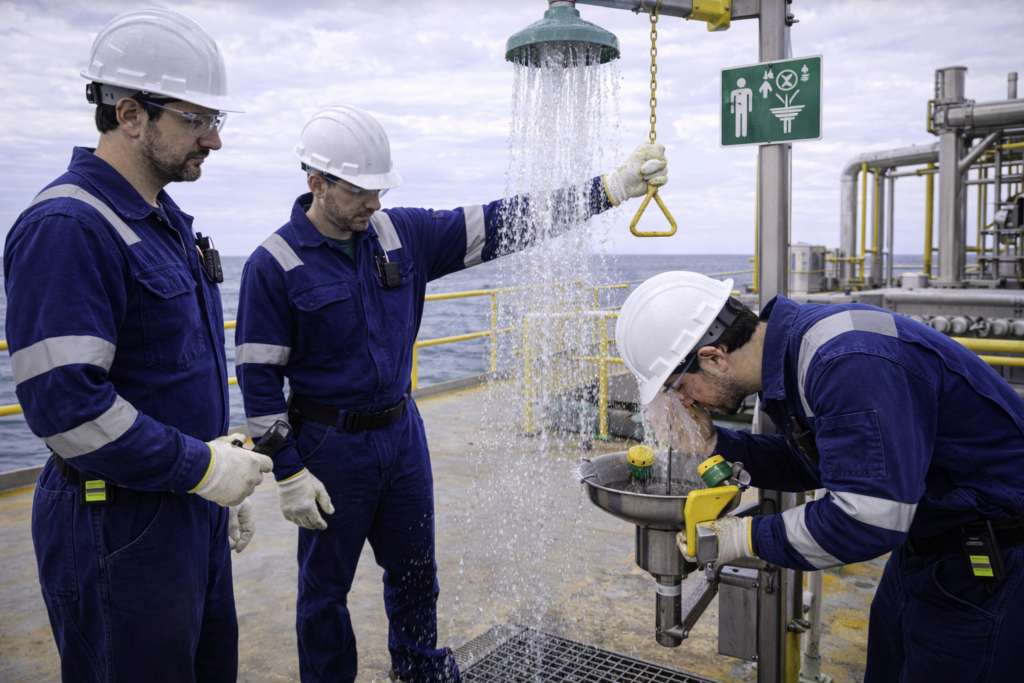
Offshore workers testing safety equipmentNot every machine gets the same care in a factory setting. What matters most? How vital each piece is to daily function. When shutdowns risk safety or stop key workflows, those systems get closer attention. The bigger the consequence, the smarter the upkeep method tends to become, which is why a maintenance strategy comparison is essential.

Sometimes it’s where things run that matters most. Machines out on ocean rigs or inside blazing hot factories often need extra checkups, simply because the surroundings push them harder. How tough the location is can decide how closely they must be watched, which is often evaluated in a maintenance strategy comparison.

Expenses often weigh heavily on decisions. Even though these systems lower spending over time, getting started means paying for sensors, setup, and software – costs that can add up fast.

Finding a middle ground becomes necessary for groups setting up upkeep plans. Safety matters just as much as consistent performance, yet costs always play a role too. One factor pulls against another, shaping how decisions take form slowly over time, reinforcing the importance of a maintenance strategy comparison.

Selecting the most effective maintenance approach requires evaluating equipment criticality, operational conditions, and economic constraints. Several studies propose frameworks for selecting the appropriate maintenance strategy based on reliability requirements and risk levels.

New Technologies Shaping How Maintenance Plans Evolve

Out of nowhere, machines talk through constant signals sent to digital trackers. These streams of information – fed nonstop into monitoring tools – help teams spot wear before failure hits. Equipment hums along, watched by silent networks that notice what people miss. Insights emerge quietly, shifting how upkeep gets done in factories everywhere, strengthening modern maintenance strategy comparison approaches.

Now machines learn from data, spotting tiny changes in how gear runs before problems grow. Because sensors track performance over time, smart programs can guess when something might break soon. Hidden signs show up earlier than people notice – patterns shift just slightly under normal load. When signals drift off usual ranges, alerts appear without waiting for breakdowns. Over weeks, small errors build; these tools catch them while fixes stay simple. Instead of fixed schedules, repairs happen only when signals suggest risk. By studying past hiccups, software learns what shaky vibrations really mean. Early warnings turn confusion into clear next steps long before failure hits. Machines talk through numbers, letting systems listen closely every second. Without constant checks, surprises fade – most glitches arrive with hints first.

A mirror inside a machine – this idea drives what some now call digital twins. These models act like live copies of real-world objects, built so engineers can test situations before trying them physically. When adjustments happen in the model, reactions show up instantly, giving clues about wear, stress, or repair timing. Instead of waiting for breakdowns, teams observe behavior under heat, load, or age – all within software space. Each trial unfolds without touching hardware, yet reveals practical outcomes, supporting deeper maintenance strategy comparison insights.

Advances in digital monitoring technologies are accelerating the transition toward predictive maintenance. Recent research on predictive maintenance using IoT-based monitoring systems demonstrates how sensor networks and machine learning algorithms can detect early equipment degradation.

Machines now learn patterns, so upkeep grows sharper over time. Information flows where it’s needed because systems adapt quietly behind the scenes. Smarter routines emerge when tools spot issues before they spread. Decisions rely less on guesses since feedback arrives faster than ever.

How maintenance strategies might change over time
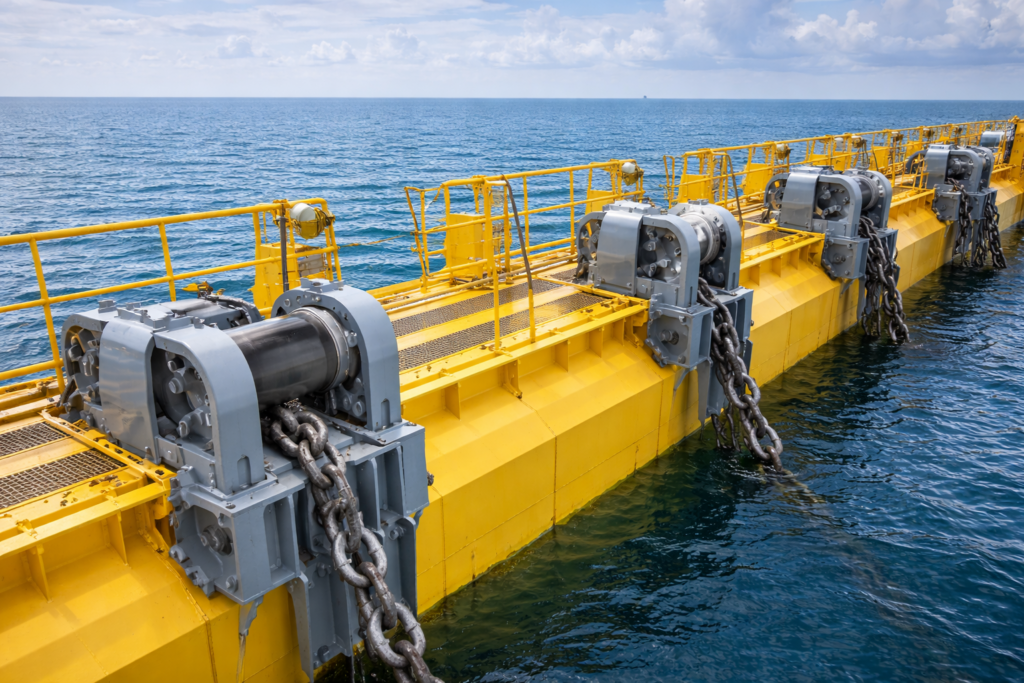
Mooring system used in oil and gas operations.Equipment behavior could soon shape how upkeep plans grow, thanks to tighter links between forecasting tools and tracking software. When sensors spread out and online data hubs take root, companies may start seeing machine health more clearly, site by site. From a single motor to whole plants, insights might flow faster, quietly shifting how teams respond before failures strike, reinforcing forward-looking maintenance strategy comparison decisions.

Footsteps away from guesswork, predictions grow sharper by weaving in how machines are used, what surrounds them, and their past behavior before issues arise. Machines start revealing patterns once hidden, shaped by time, setting, and usage instead of isolated signals. Clarity comes not from more data but from reading its story – how weather tugs at parts, how shifts wear components, how yesterday’s strain shows up tomorrow. Smarter forecasts emerge quietly, built on real moments rather than abstract numbers stacked together.

Faster fixes start to happen when tools get smarter over time. Machines begin working better because upkeep shifts before problems strike. Downtime shrinks as equipment runs closer to its best shape. Progress in tech pushes changes that keep systems going longer without pause, all of which should be evaluated through a maintenance strategy comparison.
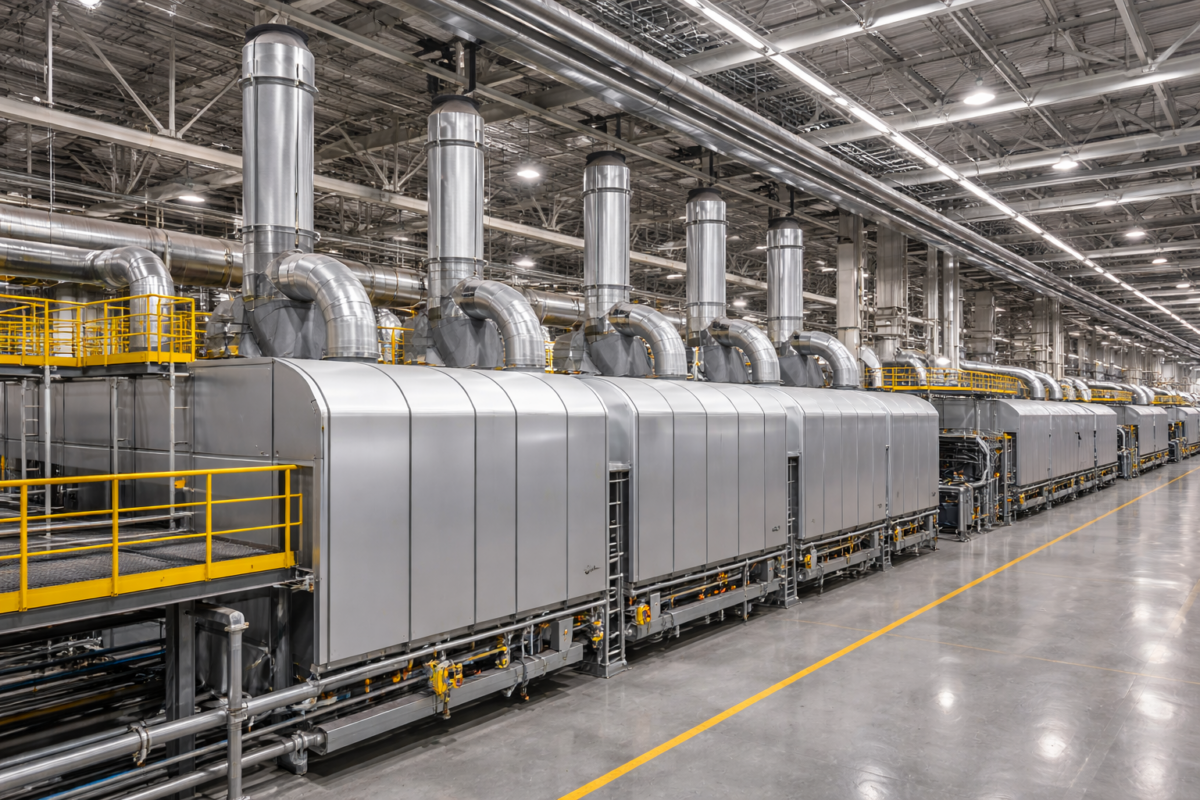
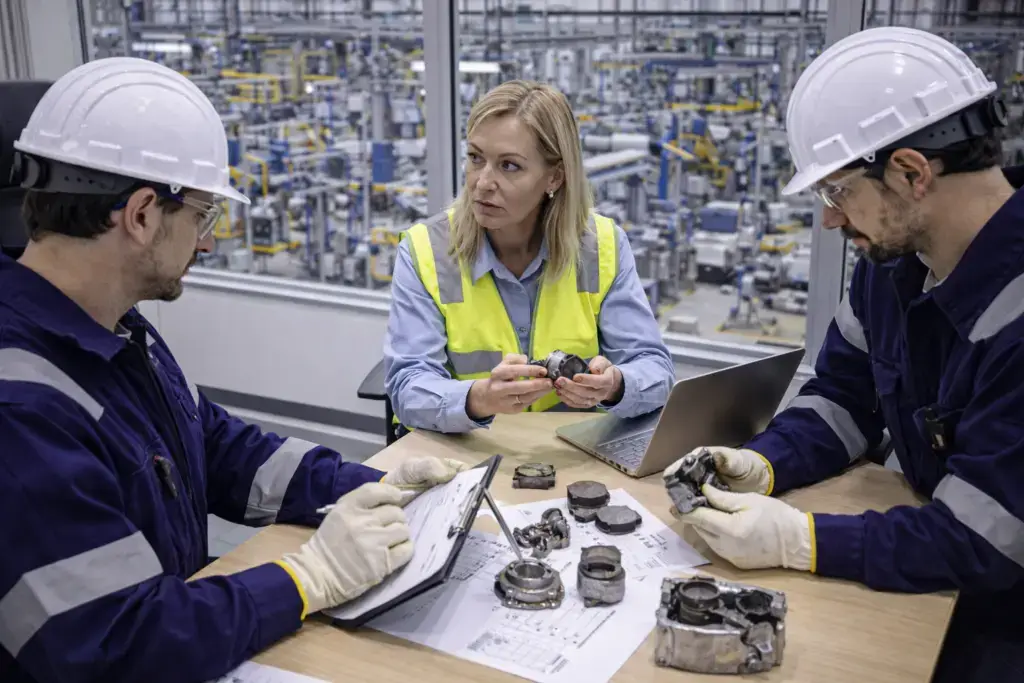
Asset Management Systems: Managing Assets with Systems Structures and Technology in Industry

What is an asset management system?

A system keeping track of equipment starts with clear rules, steps, tools, and data working together from start to finish. Getting the most out of gear means lining up daily work, spending wisely, plus handling possible setbacks at once, especially when using asset management systems for industrial equipment. Thinking ahead about machines matters more than fixing them only after they break. That proactive mindset is exactly what an asset management system is designed to support across industrial operations. In simple terms, this answers the question: What are asset management systems used for? They help teams organize asset data, connect maintenance work, and improve lifecycle decisions.

A single record holds every item inside an asset tracking system, stored within one main asset registry inside asset management systems. Information on each piece lives here – specs, how it runs, past fixes, costs included. Instead of scattered notes, everything comes together so teams see exactly what machines are doing and why they matter. Clear logs inside asset management systems mean better insight into whether equipment truly matches real work goals.

Starting with how things run day to day, these systems mix live updates with budget views and long-term goals. Because of that blend, teams using industrial asset management practices can track how well machines perform across months or years. Out comes a clearer picture of when to fix, replace, or upgrade gear. When patterns show up, choices about repairs become less guesswork.

Over time, spotting those trends means fewer breakdowns, lower bills, and longer use from each piece of equipment. Results shift slowly but stick around once changes take hold. Many organizations begin structuring their digital infrastructure through an asset management system project, where teams define how equipment data, maintenance planning, and lifecycle tracking will function inside broader asset management efforts.

What is an example of an asset management system?

asset management systemsMany organizations evaluating operational tools ask a simple question: what is an example of an asset management system A practical asset management system example might include a digital platform used by a manufacturing plant to track machine usage, maintenance schedules, repair history, and operational efficiency across production lines.
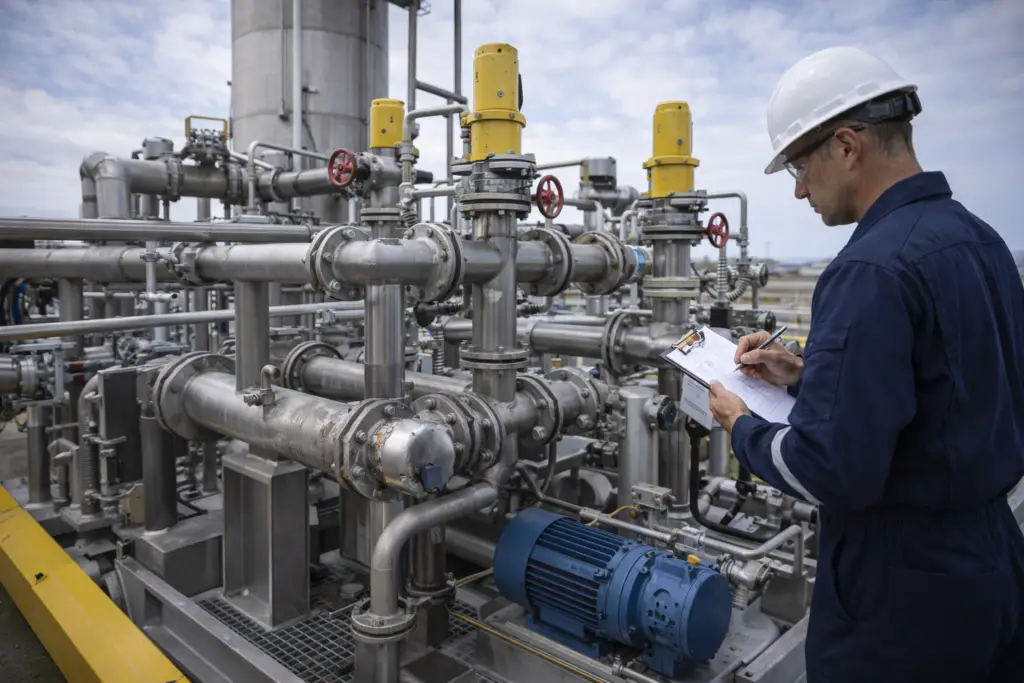
In large organizations, asset management systems examples may include enterprise platforms that monitor thousands of assets across multiple facilities. These tools combine inventory records, lifecycle management data, and predictive analytics into one unified enterprise asset management.

Organizations researching solutions often review a list of EAM software to compare available software platforms. These comparisons typically focus on features, scalability, reporting capabilities, and integration with maintenance management software. Companies looking for guidance sometimes download asset management systems PDF guides that explain implementation frameworks and operational benefits.

In practice, the best asset management systems for maintenance teams combine equipment tracking, lifecycle management, and predictive analytics into a single platform that supports strategic decision-making. These systems help organizations improve reliability while controlling operational costs through a structured platform approach.

How Asset Management Systems Have Changed Over Time

Now machines get fixed before they break, a shift that started when tools became smarter than people thought possible. Maintenance once meant waiting for alarms to scream across factory floors. That wait always cost too much time, money slipping away during silent production gaps. Sudden breakdowns ruled daily routines until sensors whispered warnings ahead of disaster. Today, those signals are captured and analyzed through centralized asset management systems.

When machines got trickier to run, factories started using planned upkeep routines meant to lower breakdown risks. These routines mean fixing things on a set timetable, either by how often they’re used or what builders suggest. Even though that worked better than waiting for something to break first, it couldn’t really tell when failure might actually happen without insights collected by asset management systems monitoring operational data.

Equipment today gets looked after using smart methods based on live tracking and past trends. Because tech has moved forward, companies gather tons of info from machines while they run. Spotting repeated signs in this info often reveals when a machine is wearing out or might stop working. Those insights become far more useful when analyzed within these platforms designed to organize performance trends.

Predictive tools added to asset tracking shift routines from fixed schedules to live decision making. When machines share their behavior through sensors, signs of trouble show up earlier. Spotting these signals ahead keeps gear running longer without surprise breakdowns. Fewer routine checks happen because work follows actual need instead. Decisions grow sharper when patterns stored inside the asset management system guide timing rather than calendars.

Core Parts of Asset Management Systems

Asset Inventory and Asset Registry

Every solid way to track what a company owns starts with asset inventory management and by listing everything clearly. Right at the core sits one main list holding every piece of gear used across operations. In practice, this inventory becomes the backbone of the asset registry, since every maintenance decision, lifecycle record, and performance report depends on accurate asset data.

Details tagged to each item in the asset registry often involve ID codes, where it is kept, specs about how it works, when it was set up, plus its coverage under guarantee terms. When these details are stored inside asset management systems, teams gain a clearer understanding of how assets contribute to production and operational goals.

A single mistake in recording gear details can unravel careful upkeep plans, showing why clear records matter. When machines multiply into the hundreds or more, oversight slips without a solid list to follow. Equipment behaves unpredictably if past behavior isn’t logged right. Oversight teams find delays piling up when they lack updated logs to guide checks. Factories humming with activity rely on steady tracking just to keep pace. Missing data turns routine inspections into guesswork. Keeping tabs shifts from cluttered notes to structured entries when the asset registry stays current.

A working checklist and a reliable asset tracking system grow more vital the larger the site becomes. Starting with what matters most, today’s asset records go beyond basic details by sorting items based on their role. When a piece breaks down, those tied tightly to output or worker well-being stand out clearly. Because of this clarity, attention shifts naturally toward high-impact machines instead of spreading thin across everything. Maintenance time gets used where it counts, shaped by how each part affects daily operations inside asset management systems.

Asset Lifecycle Management

Engineer inspecting asphalt blowing unitAsset lifecycle management starts from the moment an industrial item is ordered and follows a clear path through its working years. Starting with design choices, then moving into purchase steps. Once bought, setup takes place before turning it on for real work. While running, regular upkeep keeps performance steady. Tracking happens at every point using digital platforms built for oversight tasks, which are typically integrated within asset management systems.
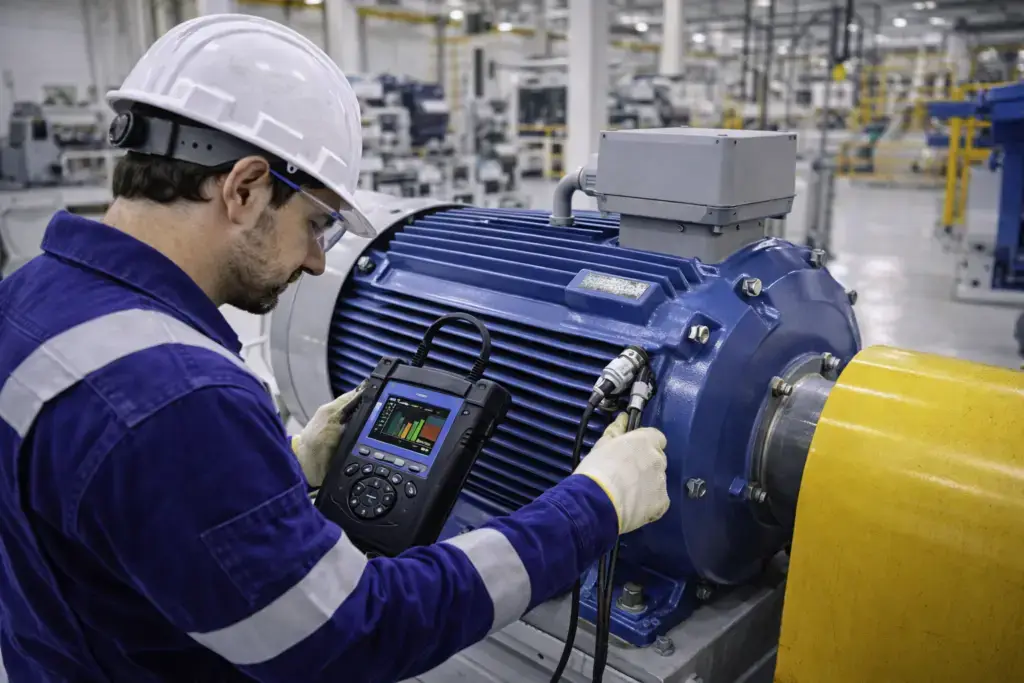
When usefulness ends, removal or swap becomes necessary. These systems help stretch how long things last without waste. The asset lifecycle management module provides the visibility needed to monitor each stage in the lifecycle so organizations can make smarter decisions about repair, upgrades, or replacements.

Right from the start, picking gear means looking ahead at what it will cost and how much value it brings. Maintenance needs tie into choices just as much as how well machines run over time. After setup wraps up, tracking kicks in through constant updates on how things perform. What matters grows clear once numbers roll in day by day within the asset management system dashboard.

Over time, machines get used. Their upkeep and how well they work show up in records kept by the system managing them. Because of these logs stored in equipment asset management records, people overseeing equipment can see if things run properly. If something runs slower than it should, signs appear early. Maintenance needs become clear before failures happen. Upgrades pop up as options when performance dips too low.

Near the end of a machine’s life, planning kicks in. What comes next gets figured out ahead of time. Replacement or taking gear offline follows a timeline shaped by data collected in the asset lifecycle management workflow. Systems guide those choices without guesswork.

Maintenance Management Integration

Sometimes, tools that track company assets link up with maintenance management software and systems built just for upkeep tasks. These maintenance-focused setups, including a CMMS, handle things like planning jobs, sending staff where they’re needed, and setting logs straight. With the two working together, records of repairs and checks flow into bigger tracking efforts managed by an asset management system.

Details from service histories feed right into how organizations oversee their equipment long-term. When asset managers gather upkeep details via CMMS tools, patterns start showing up. A machine needing fixes over and again might be wearing out. Instead of guessing, looking at past work logs alongside how hard the gear runs helps clarify timing for new purchases through the insights generated by the platform.

Decisions grow clearer when both records talk to each other. What seems random alone often makes sense side by side. When systems talk to each other, those handling repairs and those tracking equipment stay better aligned. Information flowing between them helps balance who fixes what, when. This also explains the difference between CMMS and asset management systems: a CMMS focuses mainly on maintenance work execution, while a broader platform connects maintenance records with lifecycle, cost, risk, and performance data.

Spare part levels adjust faster because updates come straight from active job logs stored within asset management systems. Work plans shift smoothly since delays show up early across both sides. Knowing what is happening keeps everyone moving at once. Clearer views of tasks prevent overlaps or missed steps. Shared data means fewer surprises during daily operations when the asset management system coordinates both maintenance planning and equipment performance monitoring.

Track System Activity and Data Trends

Watching how things run matters just as much as anything else when managing equipment. Today’s software gathers numbers on uptime, how smoothly operations move, power used, along with how often breakdowns happen. Because of these figures collected inside asset management systems, teams see whether machines are meeting targets or falling short.

When machines start vibrating more than usual, it might mean they are wearing out. Tools that study data closely help spot such changes over time. Because of rising heat or movement, parts inside gear can weaken slowly. Spotting odd patterns early gives teams a chance to step in ahead of breakdowns.

Fixing things before they fail keeps operations running without surprise stops. This way, upkeep happens on purpose instead of by accident. These platforms play a central role in analyzing performance patterns and identifying potential failures.

When teams study how equipment performs, better ways of working often come into view. One plant might run smoother than another – spotting those differences shows where changes help most. Learning who does what well leads to smarter updates elsewhere. Gains in one spot can lift results everywhere when shared right through the insights produced by asset performance management tools.

Frameworks and Standards for Managing Assets

Engineer measuring motor vibration in factoryAsset Management System ISO 55001

Out in the world of industry, a set of rules called the ISO 55000 series sets the bar for how organizations handle their physical assets. Built on clear foundations, these guidelines lay out what it takes to create systems that manage equipment, infrastructure, and resources well. The asset management system ISO 55001 standard is widely used to define how an organization designs and governs its asset management system.

Instead of working in silos, planning around assets fits best when tied closely to overall company goals. Through consistent structure, they support long-term performance without chasing trends or empty promises.

Starting with how things run day to day, ISO 55000 says managing assets fits best when it’s woven into decision making at the top levels. Because goals shape actions, policy needs to lay out targets tied to how well equipment works, where risks show up, and where money flows most wisely.

Since doing things without a method leads to gaps, structured ways of setting plans, carrying them out, then checking results help keep efforts on track. Using ISO 55000 gives groups a way to build steady methods for handling assets through teams and locations. Because these rules exist, checking how well asset management systems work becomes possible.

While one part sets patterns, another measures progress so adjustments follow when needed. Organizations implementing ISO guidance often redesign their asset management system structure to align with international best practices.

The IAM Asset Management Framework

A fresh look at structure comes from the Institute of Asset Management through something called the “Anatomy of Asset Management.” What lies inside shows what really matters when building solid systems. Instead of vague ideas it spells out clear parts that work together. For groups aiming higher this offers real direction without confusion. Each piece fits where it should making progress clearer within the broader asset management structure used by the organization.

Starting off, the IAM Asset Management Framework puts weight on weaving asset management into how an organization plans its work. Not only does it point out key topics, but also shows how they connect – strategy design comes first, then managing what happens across an asset’s life. Information about assets gets handled with care, while risks are watched closely too. Effectiveness grows when each part works well within the bigger asset management structure supporting the organization.

Now here’s a clearer view – many groups check their asset handling by lining up with the IAM model. When they measure what they do beside its guidance, weak spots come into sight. Fixing those areas becomes easier once seen through that lens. Often, asset performance management tools become the tool through which organizations evaluate how well their asset strategies align with the IAM framework.

Organizations improving maturity levels often adjust their asset management system to better connect strategy, lifecycle planning, and operational decision-making. When these parts work together, digital oversight tools become far more effective at guiding long-term infrastructure management.

Managing Engineering Assets Through Model Systems

A fresh look at engineering asset management framework for lifecycle organization reveals different ways these systems might take shape. What stands out is a clear focus on gear that runs without fail, routines keeping repairs ahead of breakdowns, one small improvement building into better overall results through structured asset management.

Starting with engineering insights, equipment asset management tools blend maintenance details, budget forecasts, time schedules. Mixing real-world equipment behavior into spending plans helps teams shape decisions – ones matching output goals without ignoring expense limits. These capabilities are often managed through centralized asset management systems, which integrates operational data with financial planning.

Sometimes numbers tell the story – performance stats and analysis software help track how assets behave. Equipment data, when studied alongside repair history, becomes useful for forecasting. Predictions built this way shape choices about upkeep schedules. Decisions on spending also follow patterns found in past machine behavior recorded inside the asset management system.

Engineers often rely on modeling tools inside enterprise asset management platforms to simulate different maintenance scenarios. By examining lifecycle costs and performance data, asset performance management tools help identify the most efficient approach for maintaining equipment reliability across long operating periods.

When modeling tools and operational data come together, asset management systems become a decision-support platform rather than just a record-keeping tool. This shift allows organizations to optimize performance, manage risks, and improve equipment longevity through smarter planning.

Digital Transformation of Asset Management Systems

Industrial inspection at gas facilityConnecting With Industrial Internet Devices

Now machines talk through tiny sensors stuck right onto their bodies. These gadgets watch how hard things are working, feeling shakes, heat, weight, or stress they carry while running. Information flows nonstop into monitoring tools that make sense of what is happening at every moment. Instead of guessing when something might fail, teams see changes as they appear. This shift came by linking old machinery to modern digital networks that feed data directly into asset management systems. This is especially useful for asset management systems for oil and gas, where remote assets, safety-critical equipment, and inspection histories must stay visible.

Each detail gathered helps stretch the life of parts doing heavy jobs. Decisions once made slowly now happen fast because numbers arrive instantly within the asset management system dashboard.

When sensors link to intelligent asset management platforms for industrial infrastructure, companies keep track of how machines are doing at all times. Right away, if something runs outside usual levels, alarms go off. That way, fixes happen while issues are still small, stopping breakdowns before they start.

When machines talk through industrial internet systems, seeing where things are gets easier. From one main room, teams watch how gear runs even if it’s miles apart. Factories spread out or running faraway setups gain clearer views. Equipment status streams in without needing someone on site. A single hub collects live signals from scattered spots, all coordinated through asset management systems.

Because these platforms connect these sensors, engineers gain a unified overview of operational performance across facilities. The combination of IoT sensors and centralized asset management systems creates a powerful monitoring environment that improves reliability.

Data Analytics Meets Predictive Maintenance

Research on AI-driven asset integrity decision-making in oil and gas shows how data analytics, machine learning, and structured reliability information can support better decisions in high-risk industrial environments.

When machines talk through numbers, smart systems listen closely. Patterns hidden in past performance plus live signals reveal what might break next, which is where asset performance management becomes useful. Instead of guessing, computers spot weak points before they fail completely using insights generated inside asset management systems.

With every new batch of information, machine learning sharpens its ability to foresee equipment issues. Patterns hidden in mountains of data start revealing themselves through these methods. Over time, the predictions grow sharper—not because they guess better, but because they learn from what actually happens inside the asset performance management analytics environment.

Predicting issues before they grow helps shape how upkeep gets planned. When machines start acting up, crews focus on them first, leaving reliable ones alone until needed. This way, time goes only where it matters. The asset management system guides those priorities by highlighting which assets show early warning signals.

Organizations combining analytics with their asset management systems gain the ability to forecast maintenance needs rather than simply react to failures. As predictive insights grow more accurate, enterprise asset management becomes a strategic planning approach that supports proactive operations.

Cloud-Based Asset Management Systems

Now picture this: cloud computing quietly reshaped how asset management systems work. Instead of scattered files, companies place data into shared digital spaces that live online. These setups make it easier to check performance or track changes from different spots at once.

Remote access becomes normal. Information flows without needing physical servers nearby. The whole process feels lighter, faster, less tied to one room or building when organizations adopt a cloud-enabled asset management system.

When demand rises, cloud setups stretch to handle more devices without slowing down. Web interfaces let maintenance crews check equipment status just as easily as office staff. Executives pull up trends and reports using browser windows on any device connected to asset management systems.

As factories add machines, tracking systems adjust automatically behind the scenes. Tools built into the platform turn raw readings into clear visuals anyone understands. Because asset management systems are cloud-based, organizations scale their monitoring capabilities without replacing infrastructure.

Cloud setups also make it easier to connect with different business tools. One example is how they link up with software that handles company resources. They work alongside systems tracking supplies too, including EAM software, ERP modules, and other enterprise tools. Maintenance programs often run smoother when tied into these networks, allowing maintenance management software and asset management systems to integrate with ERP, procurement, and logistics platforms.

Managing Assets Across Various Industries

Manufacturing Asset Management

When machines run factories, equipment asset management matters because keeping tabs on every machine affects production stability. Not watching leads to stops in making things. Equipment like robot arms, computer-run cutters, or moving belts need steady oversight. One way firms do this is through organized tracking of how each part works. If a machine slows down, records show when it happened. Maintenance logs help spot patterns before big issues grow. Fixing small problems early keeps the line moving. Without delays, products leave at regular rates.

Many manufacturing plants rely on centralized asset management systems for manufacturing to coordinate these activities. The asset inventory management function collects machine performance data, maintenance history, and operating conditions across production lines.

Some plants rely heavily on digital tools just for this task. How well gear performs ties directly to daily totals made. When engineers study machine behavior inside industrial asset management platforms, they gain clearer insight into production efficiency.

When machines stay ready, making stuff stays on track. So long as upkeep fits around output timelines, hiccups fade away. Well-designed platforms help production teams schedule maintenance without interrupting workflow. Because these platforms track machine condition and performance metrics, factory managers gain a reliable picture of how equipment contributes to overall productivity.

Manufacturers often expand their asset management systems for manufacturing to include predictive monitoring tools and maintenance analytics. As a result, the platform becomes the digital backbone supporting production stability across large facilities.

Infrastructure Asset Management

Out there, where concrete meets steel, infrastructure groups watch over tangles of roads, spans across rivers, underground lines, also transit routes. Managing these assets requires careful planning because structures often remain in service for decades, and the same industrial asset management discipline applies to roads, bridges, utilities, and production facilities.

Transportation agencies and public works departments depend heavily on asset management systems to keep track of infrastructure condition. Roads, bridges, and tunnels generate large volumes of inspection data that must be organized within these platforms.

When it comes to knowing what’s worn or working, digital tracking tools give those in charge a clearer picture – helping them decide which repairs matter most right now. Pulling insights from infrastructure asset management systems and lifecycle planning reveals how equipment is holding up and helps road and bridge managers spend repair money smarter.

When they track wear over time, vital structures last longer through better planning. Data stored inside asset management systems allows engineers to prioritize repairs before safety risks emerge.

Infrastructure operators also use enterprise asset management platforms to schedule inspections and monitor structural health. By combining inspection records with historical repair data, the platform improves long-term planning for public infrastructure.

Large cities often manage thousands of assets at once. Without centralized asset management systems for manufacturing, tracking maintenance history across these structures would be nearly impossible.

Managing Energy and Utility Assets

Out in the field, energy providers keep critical systems running by watching them closely every step of the way. Because breakdowns can disrupt entire regions, teams rely on tracking tools to stay ahead of wear and repair needs across facilities, cables strung high above ground, plus underground circuits feeding homes and businesses.

Power plants, transmission lines, substations, and distribution networks are typically monitored through comprehensive asset management systems for utilities. These systems allow engineers to track performance and maintenance records across wide geographic areas.

When machines start to wear down, sensors can spot it early. Utility companies then fix parts before they break. This keeps power flowing without surprise outages. Smarts inside the system track changes over time. Problems show up long before blackouts might happen.

Digital asset management systems for utilities help utilities combine inspection data, maintenance schedules, and real-time monitoring signals. Engineers rely on equipment asset management platforms to identify weak points in transmission equipment before failures occur.

Large energy networks produce enormous volumes of operational data. These platforms organize this information so decision-makers can understand long-term asset performance trends.

Utility companies often depend on asset management systems for utilities to plan upgrades and expansions across electrical infrastructure. By analyzing system-wide data, these platforms help energy providers maintain reliability across national grids.

What are the 4 types of assets?

When organizations implement asset management systems, they often categorize their resources into several main groups. Understanding these categories helps teams organize data within the asset management systems and manage each type appropriately.

The four primary types of assets commonly tracked within these platforms include:

  • Physical assets These include equipment, vehicles, infrastructure, machinery, and buildings. Physical assets are typically the primary focus of these platforms in industrial operations.
  • Financial assets These include investments, funds, securities, and other financial instruments. While financial management systems often track these separately, some enterprise-level EAM software platforms incorporate financial asset data as well.
  • Digital assets Digital assets include software, intellectual property, data systems, and digital infrastructure. In modern organizations, asset management systems may track digital resources alongside physical equipment.
  • Human assets Human expertise, knowledge, and workforce capabilities are also considered valuable assets. While they are managed through HR systems, strategic planning tools within the asset management systems sometimes incorporate workforce capability data when evaluating operational capacity.

Understanding these categories helps organizations structure their asset management systems more effectively so each asset type receives the appropriate level of monitoring and oversight.