
How Maintenance Affects Industrial Systems
When machines run well, upkeep makes sure they keep going without surprise stops. So things stay safe and work right, fixing stuff before it breaks matters most. Running smoothly over time? That comes from checking parts regularly instead of waiting for failure. Safety stays high when tools get attention even if nothing seems wrong yet. Doing small tasks early avoids big messes later on down the line. Performance holds steady only if inspections happen whether problems show up or not. Machines meant to do jobs must be ready – clean, tuned, checked. Preventing trouble beats rushing repairs once everything shuts down. Keeping gear working means watching how pieces wear while they still turn. Staying ahead of damage helps factories avoid unplanned pauses, which supports any maintenance strategy comparison.
From time to time, machines need attention – checking them closely helps catch small issues early. Fixing parts before they fail keeps things running smoothly instead of waiting for breakdowns. Worn pieces get swapped out so performance stays steady over weeks or months. Oil or grease goes where metal touches metal, reducing friction quietly behind the scenes. Instruments often require fine-tuning to match exact standards after repeated use. Tiny shifts in function emerge without notice, yet regular tweaks hold them back. Stress builds up slowly through constant motion, heat, or pressure across moving systems. Rust creeps in when moisture meets unprotected surfaces, especially outdoors. Small corrections today prevent larger problems tomorrow, even if nothing seems wrong now, reinforcing the value of a maintenance strategy comparison.
Keeps machines running longer when care is steady. Fewer surprises happen if checks are regular. Equipment stands ready more often under smart routines. Safety rules get met because upkeep includes inspections. High danger fields like planes or power plants depend on these steps. Rules exist for a reason, especially where risk runs high, making a maintenance strategy comparison useful.
A single approach rarely fits every piece of equipment, since machines face unique stresses and failure risks. So choosing a method means weighing how well it supports uptime without draining resources. Some systems need constant checks, others run fine with minimal oversight. The right fit depends on matching upkeep efforts to real-world demands. What works for one machine might waste time on another, highlighting the need for a maintenance strategy comparison.
Fixing Equipment After It Breaks
 Faulty gear gets fixed or swapped out once it breaks – that’s corrective maintenance. Back then, factories did this sort of repair most often. When machines failed, teams stepped in. Early industry relied on it heavily. Monitoring tools weren’t around yet. So waiting until something stopped working made sense at the time, representing one basic type of maintenance strategy.
When machines break down, that is when fixes happen. Workers step in afterward, swapping out broken parts or mending what failed. It skips regular checkups – saving effort upfront. Yet if a machine stops working at the wrong moment, people might get hurt or work can grind to a halt.
Sometimes it makes sense to fix things only when they break, especially if preventing breakdowns would cost more than just dealing with them later. Take cheap parts that snap in quickly – waiting for failure can actually save money over time. A light bulb might fail unexpectedly, yet replacing it right away beats scheduling checks ahead of time. When downtime isn’t a big deal, letting something run until it stops works fine. Fixing stuff before it fails feels safe, but not always smart if the part barely matters.
When fixes happen only after breakdowns, time lost adds up fast. Repair bills climb just as quickly. Sudden stoppages mess with daily flow. That is why some teams now act before problems show. Waiting turns into watching instead, reinforcing the need for a maintenance strategy comparison.
Maintenance Strategy Types
Most ways to handle upkeep split into types based on what sparks the work. Though names differ by field, common systems usually include a few core kinds, forming the basis of a maintenance strategy plan.
Fixing things after they break is one approach. Before failure happens, some prefer routine checks instead. Machines get attention based on their actual condition in another method. A fourth way builds upkeep around system importance and risk patterns. Every choice shows a unique take on handling wear and tear, which is why a maintenance strategy comparison is helpful.
When something breaks, fixing it then is called corrective maintenance. Instead of waiting, some prefer routine checks – done every few months or after set hours of use. Sensors help spot wear before failure, guiding timing through actual equipment state. Big systems often mix methods, weighing risks and importance to decide what upkeep matters most.
Maintenance approaches are commonly grouped according to how maintenance activities are triggered, including reactive, preventive, and predictive models. A detailed classification of preventive and corrective maintenance strategies explains how these approaches evolved within modern reliability engineering frameworks.
Knowing how these methods differ helps figure out which one fits best in a particular factory setting, making a maintenance strategy comparison necessary.
Preventive Maintenance
Most factories today stick with preventive maintenance because it works. When machines run a certain number of hours – or when dates roll around – workers check them. Timing drives the work, not breakdowns. Scheduled fixes aim to stop failures before they happen. Clocks and counters guide the routine instead of emergencies, making it a key reference point in any maintenance strategy comparison.
Fixing things early means checking them often, adding oil where needed, swapping out parts ahead of time, also making sure tools stay on target. Spotting small changes helps stop big breakdowns later because worn pieces get attention before trouble grows.
Industrial maintenance practices have gradually shifted from reactive repairs toward more proactive approaches. Research describing the evolution from corrective to predictive maintenance approaches highlights how digital monitoring technologies have transformed modern reliability strategies.
Most people find preventive maintenance straightforward. With set routines, upkeep becomes predictable from one location to another. When tasks follow a steady rhythm, machines get care when needed. Fewer surprises happen during daily operations because checks occur on time. Equipment tends to stay online longer under routine attention, which strengthens its position in a maintenance strategy comparison.
Even so, scheduled upkeep isn’t perfect. Since jobs follow a set timetable instead of how the machine is actually doing, work might happen before it’s really needed. That means people could be paid for effort that wasn’t required, while parts get swapped out too soon, which is often discussed in a maintenance strategy comparison.
Predictive Maintenance
 When machines show signs of wear, sensors notice first. Maintenance happens only once problems start showing up. Rather than following a calendar, teams watch real-time data closely. Equipment gets repaired just before breaking, not sooner. Timing comes from how hard parts have worked. Some systems alert workers days ahead. Tools like vibration checks help spot hidden issues early, making predictive maintenance a strong candidate in a maintenance strategy comparison.
Most times, it uses sensors along with diagnostics to watch things like heat, movement, sound, and force. When those readings shift, something inside the machine might be starting to fail.
Finding small changes in how machines behave helps forecast problems before they grow. Because of that, fixes happen just when needed – cutting extra work and avoiding sudden breakdowns.
When machines matter a lot, guessing breakdowns before they happen makes sense. New tools from the world of connected devices now help catch problems earlier. Smart software digs through constant streams of information from equipment sensors. This helps teams spot warning signs that once went unseen. Better forecasts come from seeing patterns hidden in masses of raw numbers, which is why predictive maintenance is often cited in a maintenance strategy comparison.
Reliability-Centered Maintenance
What keeps machines running well? A method called reliability-centered maintenance helps figure that out. Instead of using one rule for everything, it looks closely at what each piece does. When things break, how badly does it matter? That shapes the plan. Each solution fits the specific job and weak points. Risk guides decisions, not habits. The goal is smarter upkeep through clear thinking, which becomes clearer in a maintenance strategy comparison.
Starting off, RCM looks at how machines might break. One way it works is by checking what happens when they do fail. Instead of guessing, it weighs each outcome carefully. From there, upkeep choices come into play – guided by how well they reduce danger. What matters most is using time and effort wisely. The plan fits the risk, nothing more.
Take a pump vital to production. It might need sensors tracking vibration plus temperature trends. A support bracket on that system could just get fixed when broken. Some gear runs fine until failure shows up clearly. Others demand scheduled part swaps before issues start. How tightly you watch equipment ties directly to how badly its failure impacts output. Maintenance effort shifts based on what happens if something stops working. Resources flow where downtime costs most. Priorities shape methods, not habits, reinforcing insights from a maintenance strategy comparison.
Folks in fields like air travel, power from atoms, or making chemicals often stick with reliability-centered upkeep – it just works too well to ignore. Equipment that mustn’t fail leans on this method simply because guessing isn’t allowed there.
Comparing Different Ways to Keep Things Running
Starting with how well it keeps things running, every approach to upkeep shows different strengths. Not everything works the same way when money matters more than speed. Some methods fit better where systems are already tangled. Depending on the setting, trade-offs appear in surprising places. One size never fits all once real machines enter the picture, which is why a maintenance strategy comparison is essential.
When things break, fixing them needs little setup yet often means surprise downtime. Though it keeps operations on a schedule, sometimes work happens when none is needed.
Starting off, predictive maintenance might help time repairs better while cutting down on machine stoppages. Yet it takes heavy spending on sensors and number-crunching tools to make work. On another note, reliability-centered methods give a full picture when deciding what upkeep tasks matter most. The catch lies in how tangled the setup gets because of deep-dive evaluations needed along the way. These trade-offs become clearer in a maintenance strategy comparison.
Faced with upkeep choices, groups weigh cost alongside tools. A decision rests on what works, not just price tags. Machines matter; so does money. Picks depend on gear condition mixed with budget space. Real talk – both sides shape the outcome, which is why a maintenance strategy comparison remains central.
What Affects How Maintenance Strategies Are Chosen
 Not every machine gets the same care in a factory setting. What matters most? How vital each piece is to daily function. When shutdowns risk safety or stop key workflows, those systems get closer attention. The bigger the consequence, the smarter the upkeep method tends to become, which is why a maintenance strategy comparison is essential.
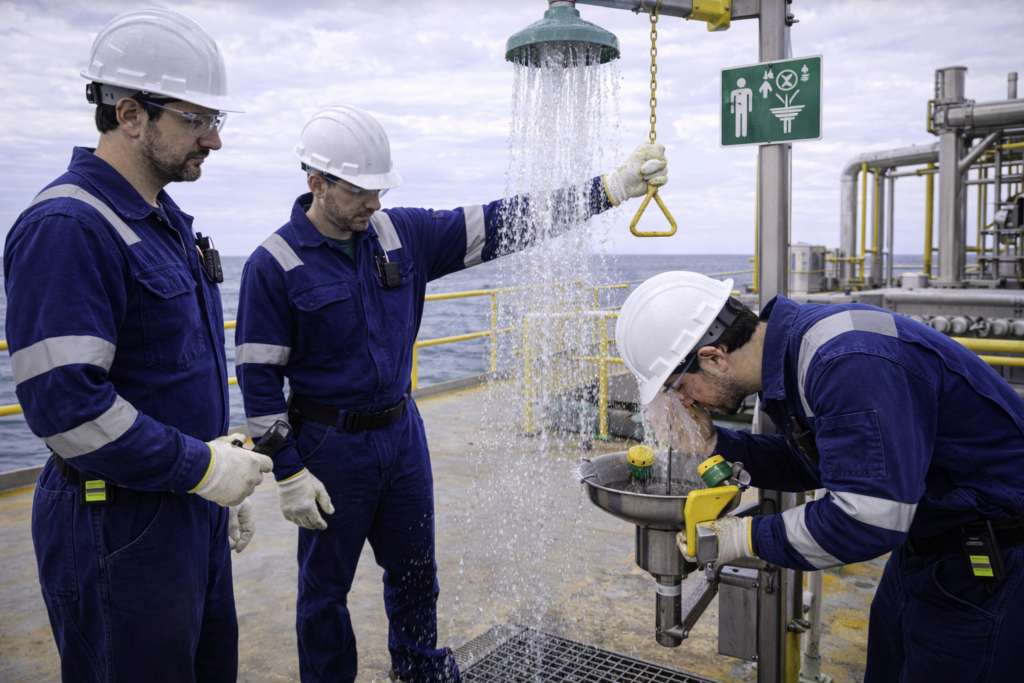
Sometimes it’s where things run that matters most. Machines out on ocean rigs or inside blazing hot factories often need extra checkups, simply because the surroundings push them harder. How tough the location is can decide how closely they must be watched, which is often evaluated in a maintenance strategy comparison.
Expenses often weigh heavily on decisions. Even though these systems lower spending over time, getting started means paying for sensors, setup, and software – costs that can add up fast.
Finding a middle ground becomes necessary for groups setting up upkeep plans. Safety matters just as much as consistent performance, yet costs always play a role too. One factor pulls against another, shaping how decisions take form slowly over time, reinforcing the importance of a maintenance strategy comparison.
Selecting the most effective maintenance approach requires evaluating equipment criticality, operational conditions, and economic constraints. Several studies propose frameworks for selecting the appropriate maintenance strategy based on reliability requirements and risk levels.
New Technologies Shaping How Maintenance Plans Evolve
Out of nowhere, machines talk through constant signals sent to digital trackers. These streams of information – fed nonstop into monitoring tools – help teams spot wear before failure hits. Equipment hums along, watched by silent networks that notice what people miss. Insights emerge quietly, shifting how upkeep gets done in factories everywhere, strengthening modern maintenance strategy comparison approaches.
Now machines learn from data, spotting tiny changes in how gear runs before problems grow. Because sensors track performance over time, smart programs can guess when something might break soon. Hidden signs show up earlier than people notice – patterns shift just slightly under normal load. When signals drift off usual ranges, alerts appear without waiting for breakdowns. Over weeks, small errors build; these tools catch them while fixes stay simple. Instead of fixed schedules, repairs happen only when signals suggest risk. By studying past hiccups, software learns what shaky vibrations really mean. Early warnings turn confusion into clear next steps long before failure hits. Machines talk through numbers, letting systems listen closely every second. Without constant checks, surprises fade – most glitches arrive with hints first.
A mirror inside a machine – this idea drives what some now call digital twins. These models act like live copies of real-world objects, built so engineers can test situations before trying them physically. When adjustments happen in the model, reactions show up instantly, giving clues about wear, stress, or repair timing. Instead of waiting for breakdowns, teams observe behavior under heat, load, or age – all within software space. Each trial unfolds without touching hardware, yet reveals practical outcomes, supporting deeper maintenance strategy comparison insights.
Advances in digital monitoring technologies are accelerating the transition toward predictive maintenance. Recent research on predictive maintenance using IoT-based monitoring systems demonstrates how sensor networks and machine learning algorithms can detect early equipment degradation.
Machines now learn patterns, so upkeep grows sharper over time. Information flows where it’s needed because systems adapt quietly behind the scenes. Smarter routines emerge when tools spot issues before they spread. Decisions rely less on guesses since feedback arrives faster than ever.
How maintenance strategies might change over time
 Equipment behavior could soon shape how upkeep plans grow, thanks to tighter links between forecasting tools and tracking software. When sensors spread out and online data hubs take root, companies may start seeing machine health more clearly, site by site. From a single motor to whole plants, insights might flow faster, quietly shifting how teams respond before failures strike, reinforcing forward-looking maintenance strategy comparison decisions.
Footsteps away from guesswork, predictions grow sharper by weaving in how machines are used, what surrounds them, and their past behavior before issues arise. Machines start revealing patterns once hidden, shaped by time, setting, and usage instead of isolated signals. Clarity comes not from more data but from reading its story – how weather tugs at parts, how shifts wear components, how yesterday’s strain shows up tomorrow. Smarter forecasts emerge quietly, built on real moments rather than abstract numbers stacked together.
Faster fixes start to happen when tools get smarter over time. Machines begin working better because upkeep shifts before problems strike. Downtime shrinks as equipment runs closer to its best shape. Progress in tech pushes changes that keep systems going longer without pause, all of which should be evaluated through a maintenance strategy comparison.